
Suscríbase a Para unos semanales fáciles de hacer Nuevas recetas
The benefits of home-cooked meals for families
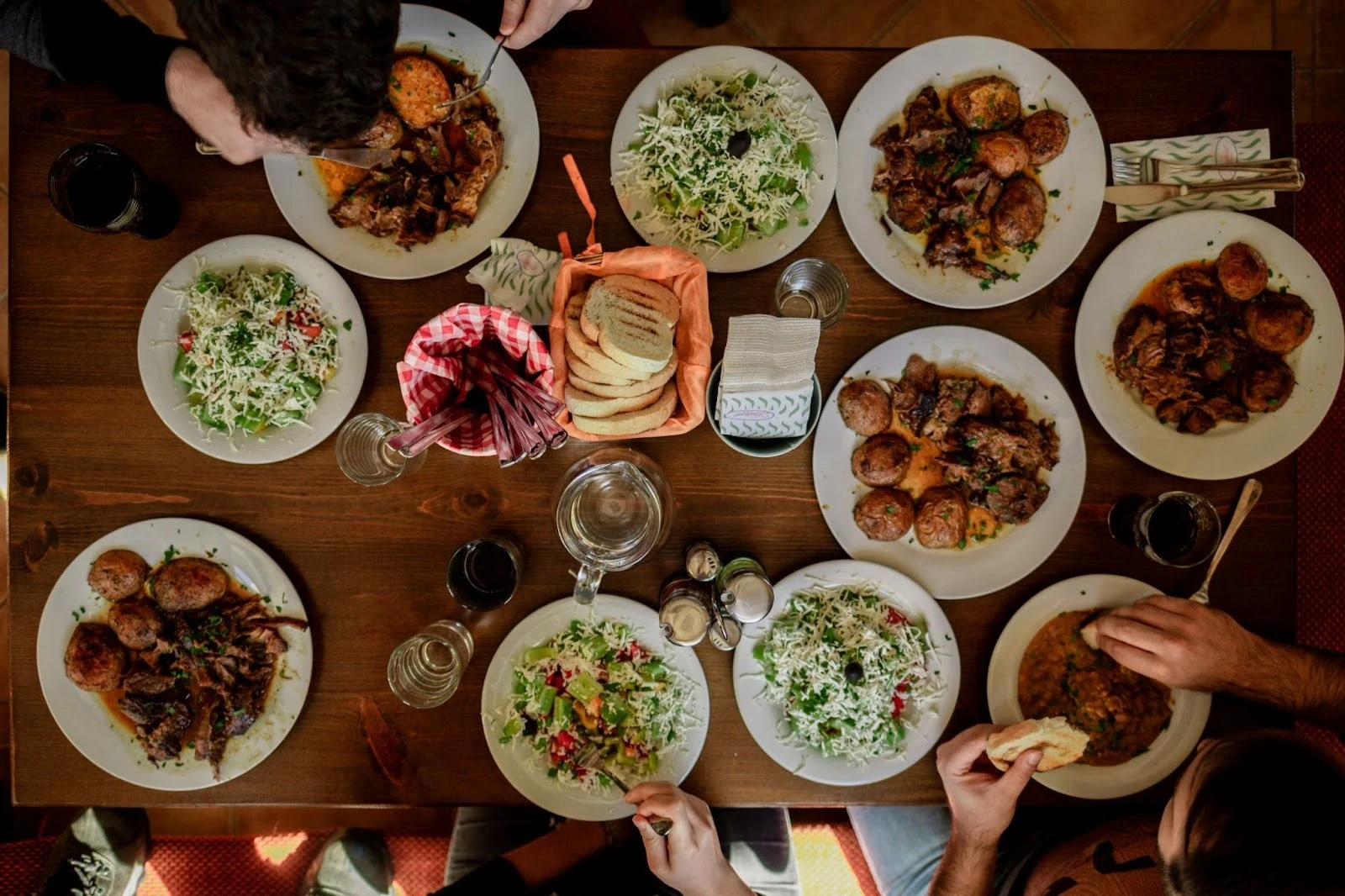
Between school drop-offs, work meetings, and evening routines, it’s easy for meals to become rushed or repetitive. But carving out time for home-cooked meals, even a few times a week, can bring meaningful benefits for the entire family. It’s not about making gourmet food; it’s about slowing down, creating connection, and enjoying food that feels thoughtful.
A Moment to Reconnect
Family meals provide more than just nourishment. They create a moment to gather, talk, and share stories without the buzz of screens or distractions. Whether it’s a simple pasta dish or tacos built at the table, cooking and eating at home naturally opens space for conversation. It can become a ritual, a pause in the day that belongs only to the family.
A growing body of research shows that regular family meals are linked to stronger communication and deeper bonds between parents and children. Sitting down together, even for a simple meal, helps set the stage for open conversation, encourages kids to share their thoughts, and can even improve self-esteem over time. Making mealtimes a screen-free zone allows everyone to be present, listen, and participate, turning dinner into a true moment of connection rather than just another task in the day. These shared experiences, repeated week after week, can have a lasting positive impact on family relationships and help create memories that everyone will cherish.
More Variety, Less Pressure
Home cooking doesn’t have to mean complicated recipes or long prep times. Even a basic stir-fry or roasted veggie wrap offers flexibility and the opportunity to try different ingredients and flavours. Including everyone in the meal plan, whether by choosing recipes or helping with prep, can also increase engagement, especially for kids.
It’s a low-pressure way to explore new tastes and textures. Trying out alternatives, like plant-based ingredients or dairy free cheese, can be part of the fun. It’s a simple switch that still brings comfort to everyday meals.
Adding yogurt to the mix is another simple way to bring variety and a smooth texture to home-cooked meals, whether as a topping for wraps or stirred into dressings. Swapping in different grains, beans, or seasonal vegetables keeps things interesting and lets families discover new favourites together. The key is to keep things flexible, there’s no single right way to enjoy a meal at home, and experimenting with what’s on hand can make everyday cooking both practical and enjoyable.
Cooking Together Builds Confidence
Involving children or teens in the kitchen builds more than just skills, it builds confidence. From washing vegetables to mixing sauces or setting the table, there are age-appropriate ways for everyone to participate. These small tasks become building blocks for self-sufficiency and encourage a positive relationship with food.
It also helps normalize mistakes. Burnt toast or an overly salted soup isn’t a failure, it’s part of the process. These shared experiences turn the kitchen into a space where creativity is welcome.
Cooking together also gives families a chance to celebrate small achievements, like learning to safely chop vegetables or successfully following a new recipe. These moments of teamwork can boost motivation and make children feel valued in the kitchen. Over time, these shared tasks help everyone feel more comfortable experimenting with flavours, trying new ingredients, and taking pride in the meals they create together.
A Budget-Friendly Habit
Home-cooked meals can also be easier on the wallet. Planning ahead, using leftovers creatively, and shopping with intention are all habits that naturally develop with more time spent in the kitchen. Batch cooking on weekends, prepping ingredients in advance, or repurposing dinner into the next day’s lunch are small actions that save both time and money.
Choosing versatile ingredients like yogurt, grains, or canned fish can help stretch your grocery budget while still offering plenty of options for meals. Simple swaps, like using leftover roasted vegetables in a salad or adding herbs to a basic grain bowl, make it easy to refresh familiar dishes without extra cost. Over time, these habits can turn meal planning into a creative process, helping families get the most out of what they have on hand while reducing food waste.
Finding the Joy in Everyday Meals
The idea isn’t to cook perfectly, but to cook regularly. That might mean using shortcuts some days, like pre-chopped veggies or ready-made sauces, and spending more time on a recipe over the weekend. What matters is the intention: creating food at home, for and with the people you care about.
In the end, it’s less about the meal and more about the memories. A shared dish, a kitchen full of laughter, or even just a quiet breakfast at the table, these are the little moments that stick.








 Spanish
  English
  French